Brigida González
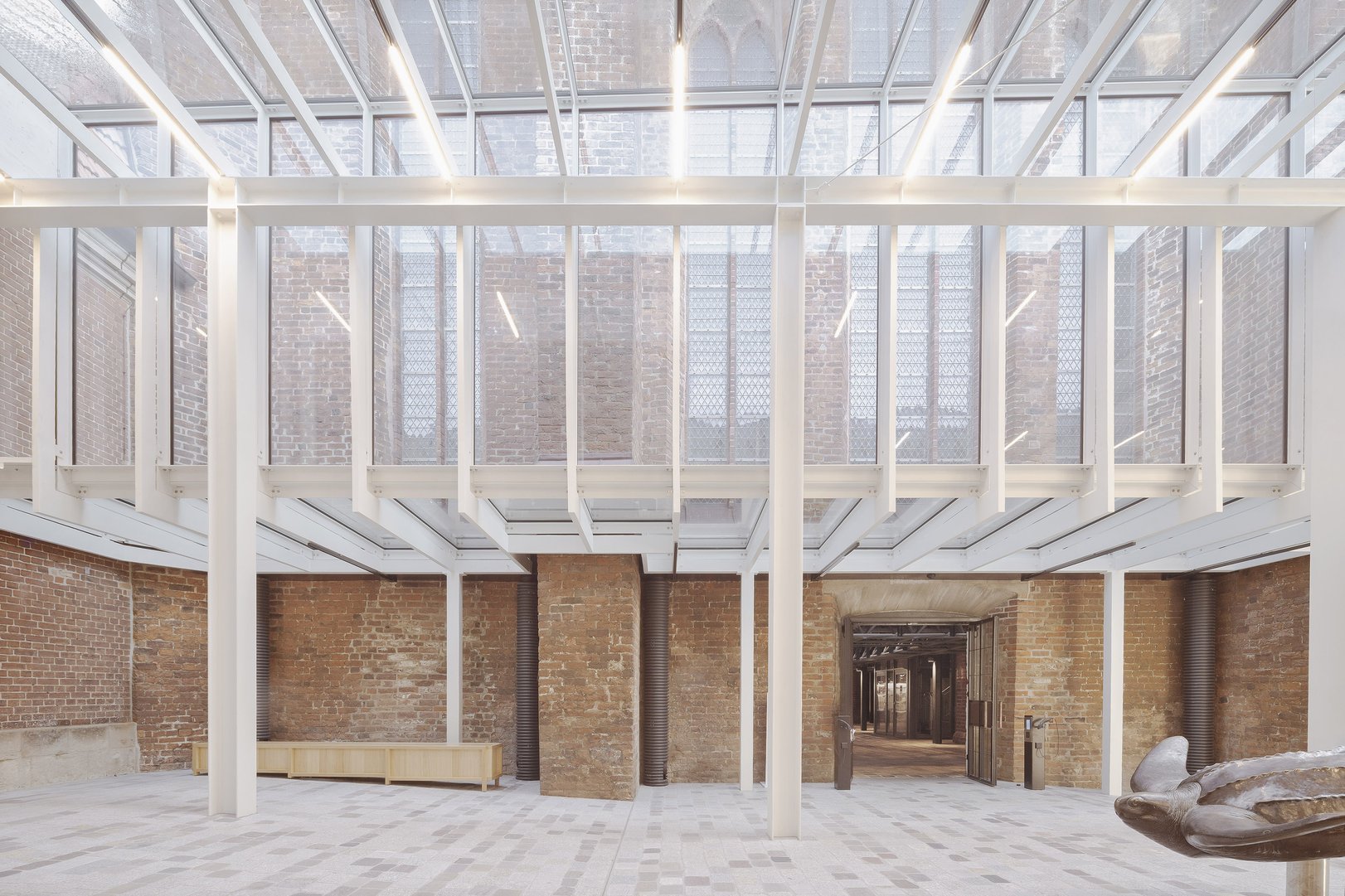
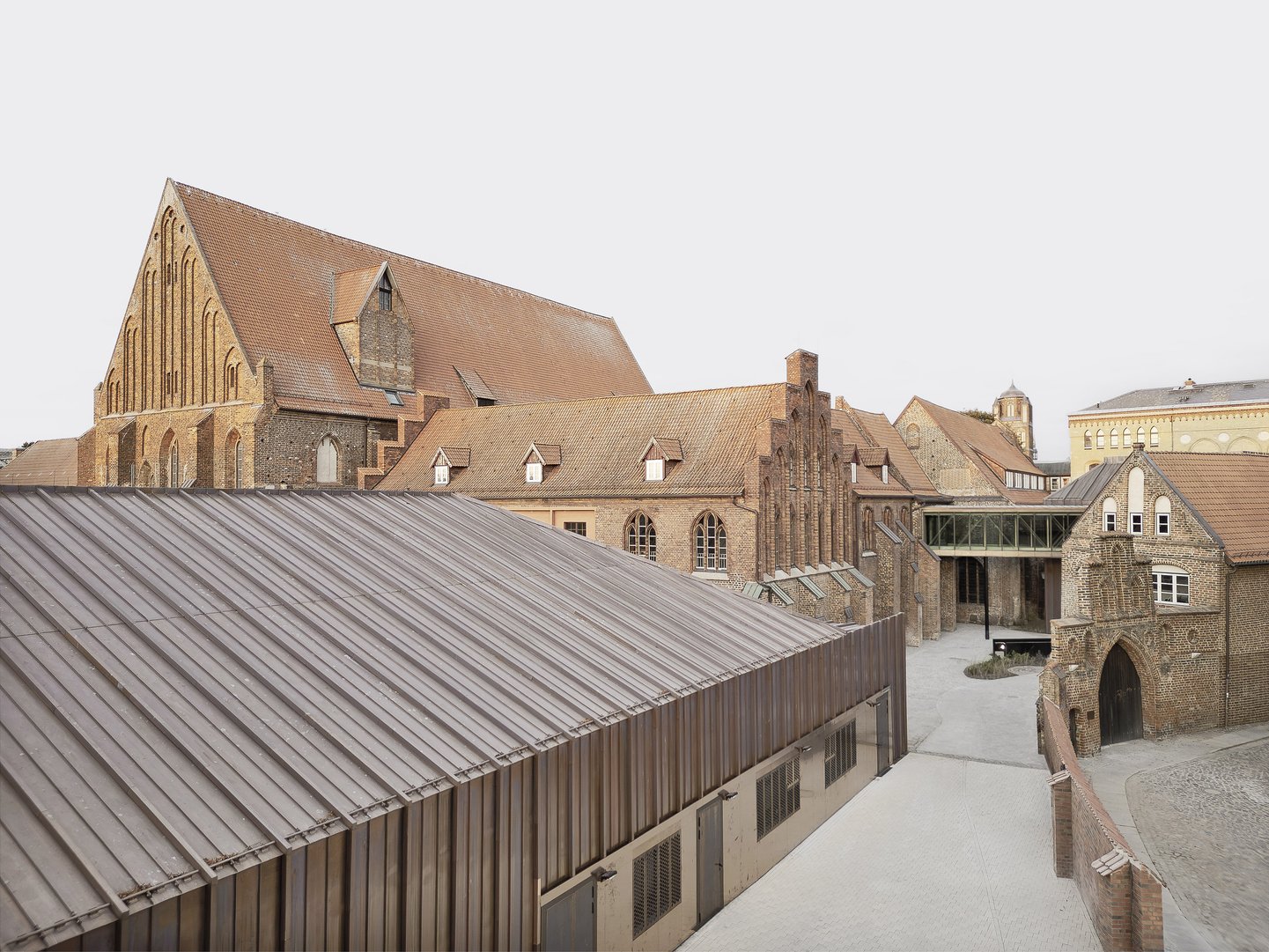
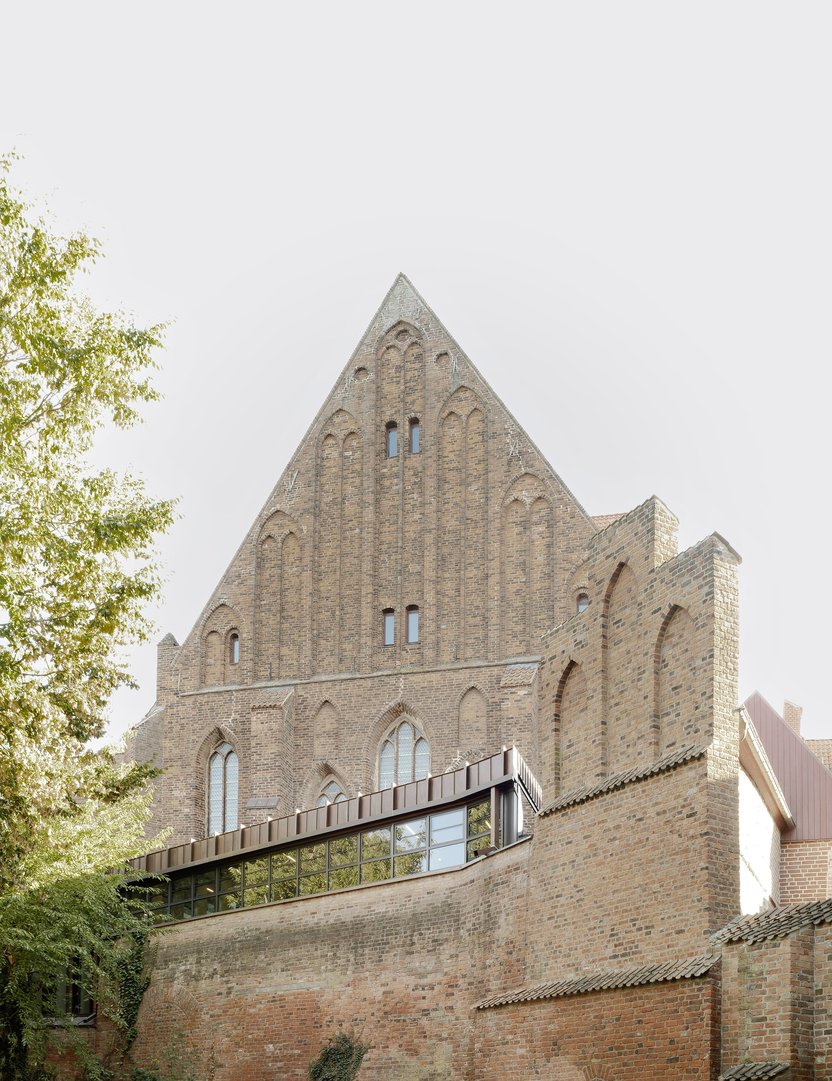
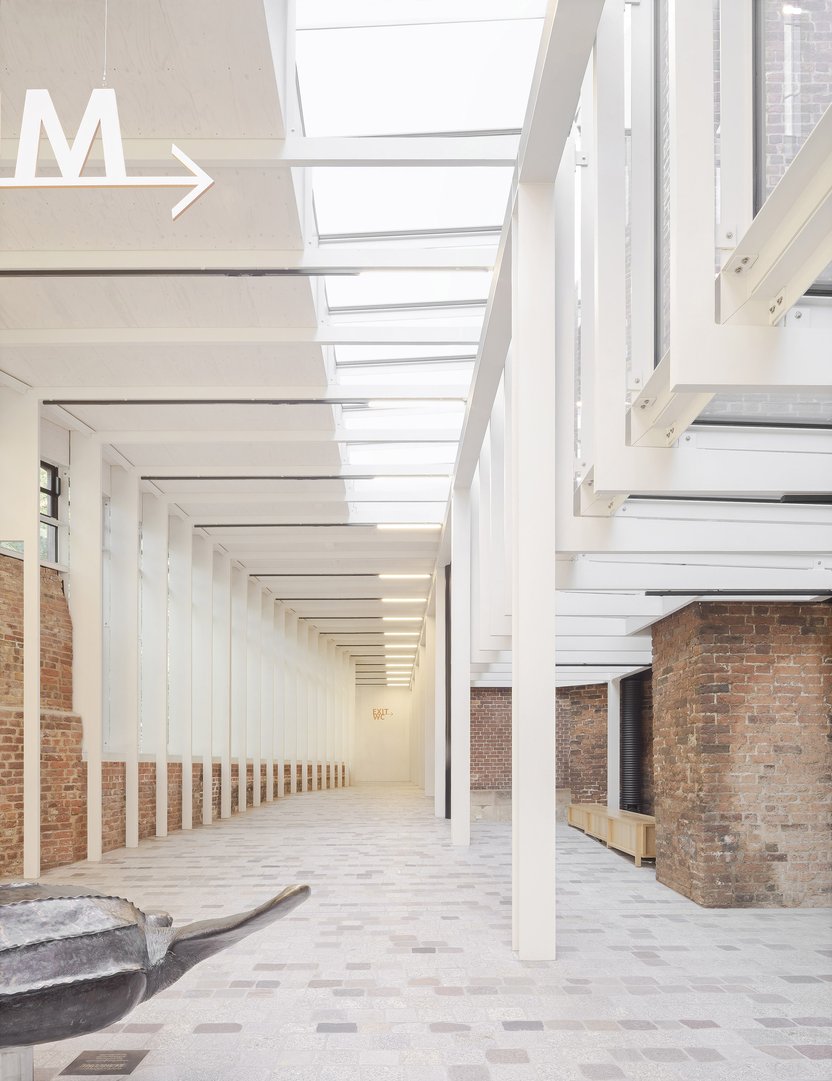
The German Oceanographic Museum in Stralsund is an institution that has grown over decades and shapes the collective memory of the city. It is one of the most visited museums in Germany and enjoys international renown as an oceanographic museum and large aquarium. In 2017, the Reichel Schlaier Architekten firm won an international competition for the comprehensive renovation and expansion of the museum. The aim was to develop the traditional main building into a contemporary museum building, carefully integrating elements from different eras. Sensitive handling of the historical substance was essential, as the ensemble is one of the most important urban structures in Stralsund and, due to its state of preservation, is part of the UNESCO World Heritage Site. In addition, new large aquariums and modern technology had to be integrated into the complex existing structure. The existing aquarium areas were completely renovated and supplemented with an additional large aquarium. A central architectural challenge was to create a harmonious connection between the historic monastery complex, later additions, and new elements. The new architecture was intended to pay tribute to the old, complement the new harmoniously, and at the same time blend in confidently. The submitted design—the new shell and roofing of the west courtyard—forms the new spatial center at the end of the museum route and connects components from various eras to create a clearly legible spatial experience. The construction integrates an extraordinary variety of existing structures: the outer wall of the former monastery church, the “long corridor” connecting the cloisters, a turn-of-the-century gymnasium, and the historic city wall. These components entail complex technical requirements and a challenging, sometimes irregular geometry. Different connection levels, staggered floors, and out-of-plumb masonry surfaces had to be precisely recorded. The new building envelope responds to this with exact connections and at the same time deliberately highlights the historical substance. The portal wall of the church remains completely visible, and the city wall becomes an integral part of the new courtyard space. Formally, the construction echoes the clarity of Gothic brick architecture. A specially developed steel structure, partly closed and partly glazed, echoes the structure of the neighboring historic buildings with its regular rhythm of supports and profiles. Variable rectangular steel profiles allow precise adaptation to the complex existing situation. The closed wall and roof surfaces consist of wooden structures clad with copper sheet metal in a batten finish—a material familiar in Stralsund's cityscape from the roofs of the large brick churches. The result is a structure that solves technical and geometric challenges, respectfully highlights the historical substance, and at the same time creates a new identity-forming space for the museum. It is precisely this precise and restrained interplay of old and new that makes the project so special.
Reichel Schlaier Architekten GmbH